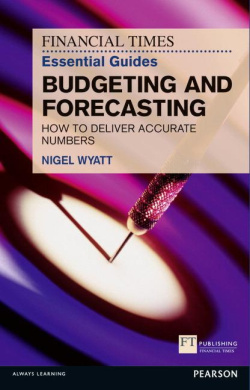
Description
Contents About the author Acknowledgements Introduction Part 1 Preparing your budgets 1 What is the budget for? Introduction The role of budgets – why do we have them? 1 Meeting the organisation’s objectives 2 Planning 3 Monitoring and controlling 4 Co-ordinating 5 Evaluating performance 6 Improving performance 7 Motivating managers 8 Management contract 9 Communicating 10 Providing a basis for authorising expenditure and delegating responsibility 11 Identifying scarce resources 12 Allocating resources 13 Demonstrating and delivering good corporate governance Linking budgets to strategy and policy Budgets for special purposes Planning periods 2 What is a forecast and how does it differ from a budget? What is the difference between a budget and a forecast? Benefits of forecasting ‘beyond the wall’ Forecasts, projects and contracts Forecasting tools and techniques Sales forecasting Quantitative forecasting using Microsoft Excel Useful Excel tools Forecast frequency and automation Measuring and improving forecast accuracy Forecast financial statements New product sales forecasting Other factors to consider in sales forecasts 3 Essential background financial skills for budgeting Cheaper is not always better: cost and value in budgeting Accruals, cash and commitment accounting and budgeting Understanding profit and loss account figures Review of accruals accounting Direct and indirect methods of producing cash flow accounting The balance sheet The master budget Costs Value analysis and value engineering Activity based costing (ABC) The breakeven model Cost structure Capital expenditure planning 4 How should the budget be built? Introduction Building budgets Incremental budgeting Zero based budgeting Activity based budgeting Should budgets be top-down or bottom-up? Fixed v flexible budgets External comparison driven budgets VFM, outcome orientated and evidence based budgets The power of evidence in protecting budgets Good budgeting practice and ideas for constructing a budget Setting budgets for contingencies The challenge process Building budgets and performance measurement The budget game Presenting budgets 5 How should cash be budgeted and controlled? Planning systems and cash flow forecasting Managing working capital – cash and risk Managing trade debtors (accounts receivable) Managing stock (inventory) Managing trade creditors (accounts payable) Cash flow in a business 6 How should capital expenditure be budgeted for? What is capital expenditure? The payback rule NPV and DCF Capital rationing: profitability index Strategic fit and ‘roadmaps’ Sensitivity analysis Risk Post-investment appraisal Long-term cash flow planning Asset rep