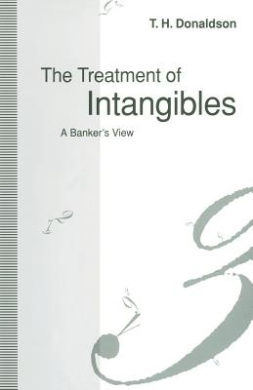
Description
INTRODUCTION – Changes in the Traditional Approach – Need Acceptable View Useful to All – Differences in Background and Use of Accounts – Not All Intangibles the Same – General Principles Which Apply to All? – GOODWILL – Traditional Definition – Accounts Understate Assets, Overstate Goodwill – Value vs. Sale Price – Valuation Without Sale – Amortise Goodwill, Depreciate Tangibles – Summary – BRAND NAMES AND PRODUCTS – Three Criteria for Value – Asset Intangible, Earnings Tangible? – Intangible Asset, Tangible Sale Price? – Replacement Cost – Converting Economic Value to Accounting Value – Doubts About Valuation Techniques – Conservative Yes, Deny No – Weakness is in Valuation even handed! – Obsessed with Cost not Value – CAPITALISED EXPENSES – Genuinely Intangible: Pure Accounting Fabrication – Cost: But Not Asset – Value Reflects Earning Power – Distorts and Conceals – Misguided not Deliberately Misleading – The Place for Accountants to Tighten – USES AND SITUATIONS – Introduction – Accounting Aside – Goodwill – Patents – Brand Names – Ratios and Covenants – Values in Insolvency – Does the Difference Matter? – CONCLUSION – In Stage of Liquidation Analysis – Failure to Adapt to Inflation – Banks Move Forward – Investors and Others – The Need to Focus on Value – Index